
Frozen shoulder — adhesive capsulitis — is one of the most frustrating conditions a patient can experience. The stiffness comes on gradually, reaches a point where basic tasks become difficult, and the standard advice is often “it will resolve on its own in 1–3 years.”
That timeline is accurate if you do nothing. Physical therapy shortens it significantly. And we believe one of the most overlooked tools in frozen shoulder treatment is structured aerobic exercise at the right intensity.
The Three Stages
Freezing (2–9 months) — Pain is the dominant symptom. Range of motion begins to decrease. Night pain is common and often severe. This is where intervention makes the biggest difference.
Frozen (4–12 months) — Pain may decrease somewhat, but stiffness peaks. Reaching overhead, behind your back, or out to the side becomes significantly limited. Daily tasks — dressing, sleeping, driving — are affected.
Thawing (5–24 months) — Range of motion gradually returns. This stage can be shortened significantly with the right manual therapy and progressive loading.
Matching Treatment to the Stage
Pushing too hard in the freezing stage increases inflammation and makes things worse. Being too passive in the frozen and thawing stages allows adhesions to persist longer than necessary. The key is knowing which phase you are in and matching the intensity of treatment to what your shoulder can tolerate.
During the freezing stage: gentle range of motion within tolerance, manual therapy to reduce guarding, pain management strategies, and — critically — structured aerobic training to reduce central pain sensitivity.
During the frozen and thawing stages: progressive joint mobilization, capsular stretching, end-range loading, strengthening as range allows, and functional retraining for the activities that matter to you.
How We Treat Frozen Shoulder
Our approach combines multiple interventions tailored to your stage and your individual presentation:
- Joint mobilization — hands-on techniques to restore capsular mobility and reduce stiffness progressively
- Dry needling — targeted release of the guarding and muscle tension that builds around a frozen shoulder
- Strengthening — as range of motion returns, we rebuild the strength that months of limited movement have taken away
- Range of motion work — progressive stretching and end-range loading matched to your stage
- Aerobic exercise prescription — daily threshold-based training at VT1 or above to reduce pain sensitivity, improve blood flow, and lower blood glucose
- Education on sleep, hydration, and nutrition — frozen shoulder recovery is influenced by how you live outside the clinic. We talk about sleep strategies for night pain, hydration, and keeping blood glucose controlled — reducing sweetened drinks and artificial sweeteners, managing carbohydrate intake, and making choices that support tissue healing
- Pathology management — we monitor your response to treatment, adjust the plan as your shoulder progresses through stages, and coordinate with other providers when needed
People are complex, and so is our approach. A frozen shoulder does not exist in isolation — it exists in the context of your health, your habits, and your daily life. We treat all of it.
The Diabetes Connection
Frozen shoulder is significantly more common in people with diabetes, thyroid disorders, and after periods of immobilization. If you have diabetes, your risk is higher and the timeline tends to be longer.
Elevated blood glucose is likely the primary driver of this connection. Glycation of collagen in the joint capsule contributes to the fibrosis and stiffness that define frozen shoulder. This means the aerobic training we prescribe is not just treating your shoulder pain — it is addressing the metabolic environment that contributed to the condition in the first place. Structured aerobic exercise at the right intensity is one of the most effective ways to reduce resting blood glucose.
If your provider isn’t prescribing aerobic exercise at VT1, they’re missing one of the most powerful tools in frozen shoulder treatment. The evidence is clear — and most patients with frozen shoulder are never given this prescription.
Aerobic Exercise: A Treatment, Not Just Maintenance
We believe that physical inactivity — specifically, not training at or above your first ventilatory threshold regularly — is a risk factor for frozen shoulder. Our clinical experience consistently shows that patients who maintain structured aerobic fitness do better in every phase of recovery, and the earlier they start, the better.
During the freezing phase, when the shoulder is too irritable for aggressive range of motion work, aerobic training is one of the most valuable things you can do. It reduces central pain sensitivity, improves blood flow to the capsule, and maintains the conditioning that supports recovery. A rower, ski erg, bike, or inclined treadmill at the right intensity gives your body a powerful stimulus without aggravating your shoulder.
How We Find Your Thresholds
We use a graded treadmill test protocol to identify your ventilatory thresholds precisely. VT1 is the point where your breathing picks up and sustained conversation becomes difficult. VT2 is the point where conversation is no longer possible. These are unique to you. Most people cannot reliably find them on their own — we have performed enough of these to know what the numbers should look like, and when they do not, that tells us something too.
For frozen shoulder, we advise daily aerobic sessions at VT1 or above — a minimum of 10 minutes per session. The modality matters less than the intensity. A flat walk at a comfortable pace will not reach VT1 for most people. We need you at threshold.
As pain reduces and you move into the frozen and thawing phases, we add sessions at VT2 — 1 to 2 times per week — to push the nervous system further and accelerate recovery. VT1 remains the daily foundation. VT2 is the accelerator when you are ready.
The Research
Exercise at or above VT1 activates endogenous opioid and endocannabinoid systems — your body’s built-in pain relief (Sluka et al., Pain, 2018). Significant endorphin release requires reaching at least the ventilatory threshold (Naugle et al., Medicine & Science in Sports & Exercise, 2014). For patients with central sensitization, repeated moderate-intensity aerobic exercise progressively restores normal pain modulation (Nijs et al., Pain Physician, 2012).
Frozen shoulder patients frequently develop central sensitization due to months of pain and disrupted sleep. This makes threshold-based aerobic training especially relevant — and especially underutilized.
What About Injections?
There is evidence that a cortisone injection early in the freezing phase can reduce pain and make it easier to participate in rehabilitation. For some patients, that trade-off makes sense. But for diabetic patients — who make up a significant portion of frozen shoulder cases — the decision requires more thought. Cortisone injections temporarily raise blood glucose levels, and elevated blood glucose is the primary risk factor driving the condition.
We do not perform injections — but we have this conversation with every frozen shoulder patient so they can ask the right questions if an injection is recommended. Understanding what the injection does, what it does not do, and how it may affect your blood sugar gives you the information you need to make an informed decision.
Do You Need Surgery?
Rarely. The vast majority of frozen shoulder cases resolve with structured physical therapy. Manipulation under anesthesia or arthroscopic capsular release are options for cases that do not respond to conservative care, but most patients never reach that point with proper management.
So Here’s What to Do
Start with us. Get the most advanced care in the best system, right in your backyard. Our examination and our approach include:
- A thorough subjective and objective exam to figure out exactly what your shoulder needs
- A treatment plan matched to your stage and your individual presentation
- Hands-on manual therapy, joint mobilization, and dry needling to reduce pain and restore movement
- Strength and range of motion progression as your shoulder allows
- Aerobic training at the right intensity (VT1 or above), prescribed and tracked — one of the most powerful tools in frozen shoulder treatment
- Education on sleep, nutrition, and the metabolic factors that influence your recovery
- Direct access — no referral, no waiting, same insurance billing
Right in your backyard. Edgerton and Fitchburg, Wisconsin.
Start early. The earlier treatment begins, the shorter the total timeline. No referral needed. Call (608) 561-7733 or book online.
Related
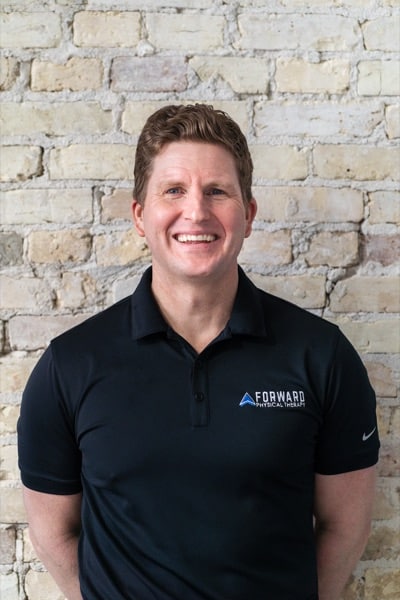
Jedd Wellenkotter, PT, DPT, MS, EPC
Co-Owner | Head of Clinical Operations & Technology
Doctor of Physical Therapy, exercise scientist, and the developer behind Return+ and Lune.